
I was overseeing the care of a lovely lady in her 60’s.
I grew to know her well over a few years, and we shared a great rapport. One day, her husband called the office, concerned his wife was displaying worrying symptoms, and I advised that the patient be seen that same day. The patient arrived with her husband, which was curious, as every other time she would come to her appointments alone. She appeared withdrawn, slightly confused, and her husband explained that she was let go from her job as she was not able to perform her basic duties including typing on the computer. Her mood had deteriorated over the last few months, to the point where she opted for an inpatient psychiatric program in hopes of feeling better. The patient had been reaching out to her psychiatrist over the last several months reporting these symptoms, and each time, medication changes were made over the phone, without the patient physically being evaluated due to the lack of availability of the provider. Too often, in today’s healthcare environment, physicians face significant time, scheduling, and administrative pressures that limit their ability to see patients as quickly or as frequently as they would like. This inevitably translates to missed diagnoses, delayed interventions, and patients who feel unheard or unseen during moments when careful attention matters most. I was alarmed by my patients’ uncharacteristic presentation and insisted she have imaging of her brain and blood work performed immediately. The imaging report showed a massive brain tumor, impinging on critical portions of the brain. I was promptly in touch with the patient and her husband to deliver the news, and my patient had emergency brain surgery later that day. The road ahead was arduous both physically and emotionally, and I saw my patient every 1-2 weeks after each of her radiotherapy appointments to offer her a hug and words of encouragement. Each week she delivered to me a glass jar full of fresh flowers picked from her garden.
Curious how this approach would work for you?
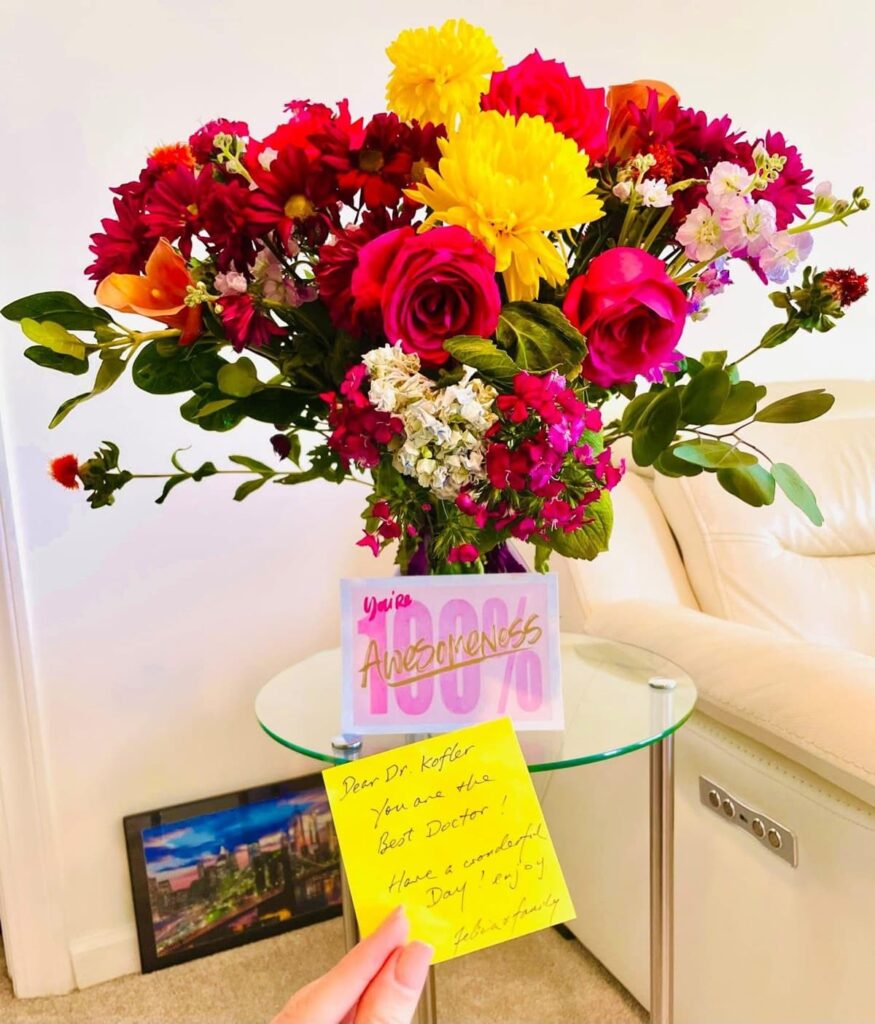
A year later, days before her death, she left a note on my desk thanking me for allowing her to live long enough to dance at her son’s wedding, and to witness the birth of her grandchild. She may have left me with an office full of now wilting flowers, and a grieving heart, but her story lives on within me as an inspiration and calling to practice medicine in a way that allows for comprehensive, timely, full body and mind care, with every patient, every time. This mission is what drives my vision for Infinity Care, a practice that pledges to celebrate your triumphs, and to walk beside you through any hardships, in an unwavering resolve to help you live to dance through your life’s future blessings.
Unlike traditional primary care models that are often constrained by rushed appointments, fragmented communication, and limited access, Infinity Care is built on time, availability, and relationship. Here, patients are seen promptly when something feels “off,” not weeks later. Visits are unhurried and thorough, allowing space to notice subtle changes before they become crises. Direct communication replaces phone-tag and impersonal message systems, ensuring concerns are addressed in real time. Care is coordinated comprehensively — mind and body together — so that no symptom is dismissed, and no patient feels unseen. At Infinity Care, medicine returns to what it was always meant to be: deeply personal, proactive, and present. If you are seeking a more attentive, relationship-centered approach to your health, I invite you to visit our Contact Us page to learn how Infinity Care can support you and your family.